
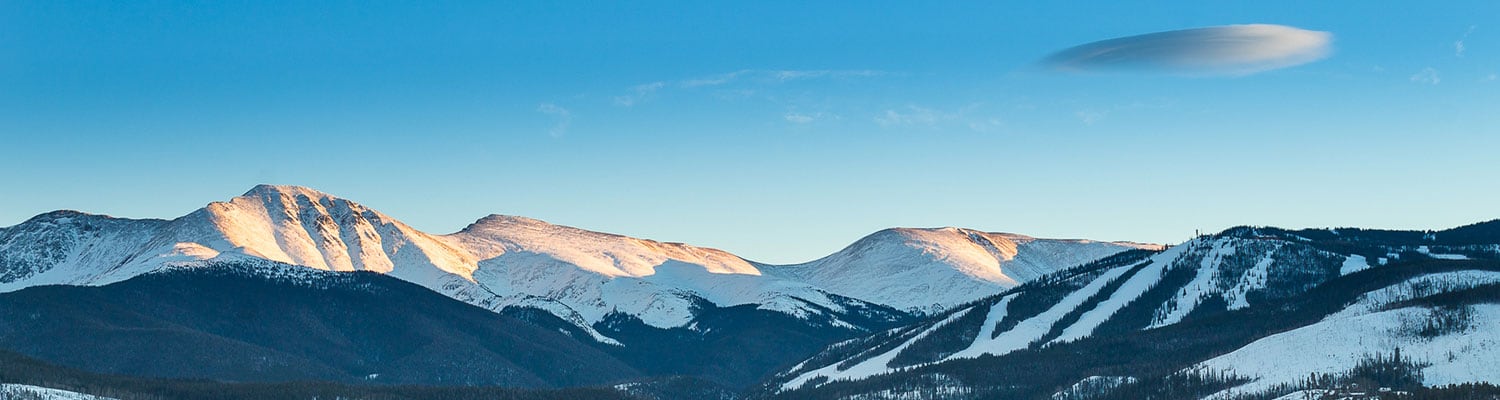
One legendary mountain road, endless alpine views, wildlife encounters, and Rocky Mountain National Park's biggest highlights packed into one spectacular day trip from Winter Park.
So you've picked Winter Park as your Colorado base. Excellent choice! World-class skiing, endless hiking, mountain biking, and a lively downtown already fill plenty of itineraries. But just over an hour away, another Colorado classic is waiting to be explored.
Rocky Mountain National Park lies only 37 miles from Winter Park. Better still, you'll approach through the park's quieter western entrance before driving the legendary Trail Ridge Road, one of the highest and most spectacular paved roads anywhere in North America.
Below, I'll show you exactly how to spend a day in Rocky Mountain National Park, where to stop, what to see, where to eat, and how to make the most of every mile along Trail Ridge Road.
But before, a little about us:
At Winter Park Lodging Company, you'll find a collection of stellar vacation rentals throughout Winter Park, including cozy condos, spacious mountain homes, pet-friendly stays, and ski-in/ski-out accommodations. Backed by local expertise, we're here to help you enjoy every moment of your stay.
Need more inspiration before your Winter Park escape? Visit our destination blog, where you'll find local tips on wildflower hikes, the best restaurants in town, pet-friendly things to do, and much more.
Why Everyone Loves Trail Ridge Road
Trail Ridge Road ranks among North America's greatest scenic drives. That alone explains why people are so obsessed with it.
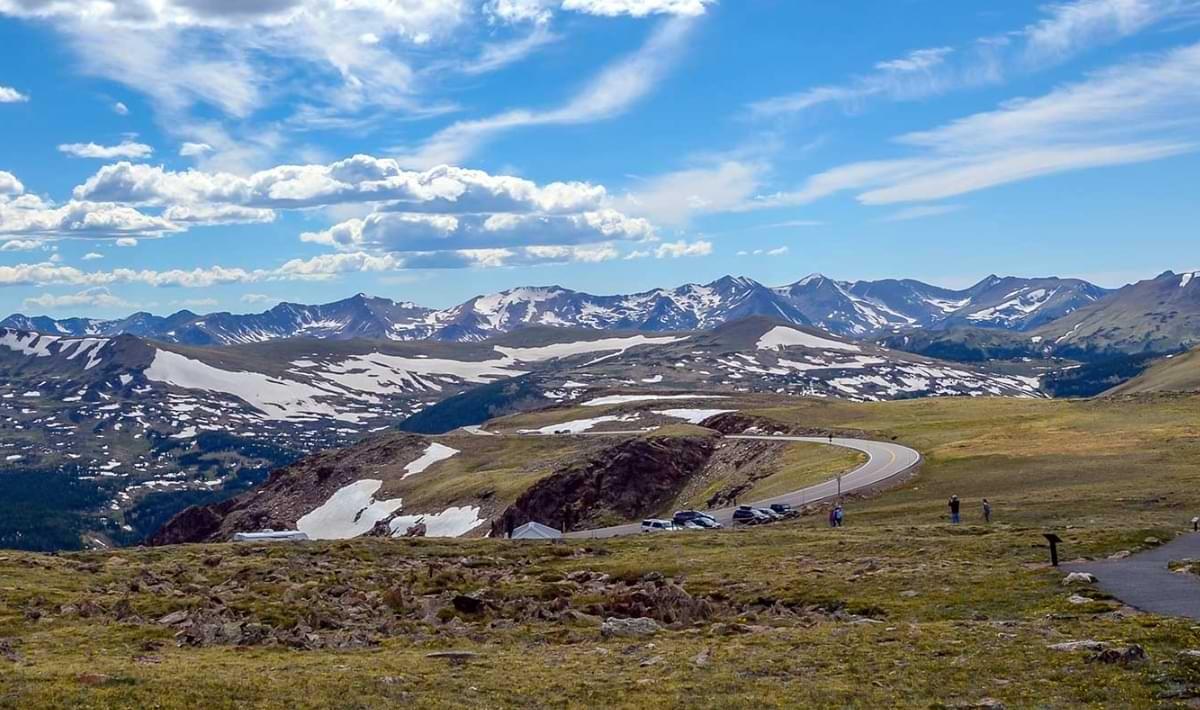
Often called the Highway to the Sky, this epic 48-mile drive climbs to an astonishing 12,183 feet, making it the highest continuous paved highway in the United States. It also happens to be the only road crossing Rocky Mountain National Park from west to east, connecting Grand Lake with Estes Park while passing through some of Colorado's most dramatic scenery.
The road packs an incredible variety of landscapes into a relatively short drive. You'll see pine forests giving way to subalpine meadows before disappearing altogether as the road climbs above the treeline into the alpine tundra. There aren't many places in the country where you can reach this rare ecosystem so effortlessly.
There's more! Along the way, you'll also cross the Continental Divide, the line separating rivers flowing toward the Atlantic from those eventually reaching the Pacific Ocean. Add panoramic mountain views, wildlife, and dozens of scenic overlooks, and you have a signature Colorado attraction you should definitely plan around when visiting Winter Park.
Heads up: Trail Ridge Road is seasonal, though. Heavy snowfall usually keeps it closed between mid-October and late May, although exact opening dates always depend on weather conditions.
How to Spend One Perfect Day in Rocky Mountain National Park
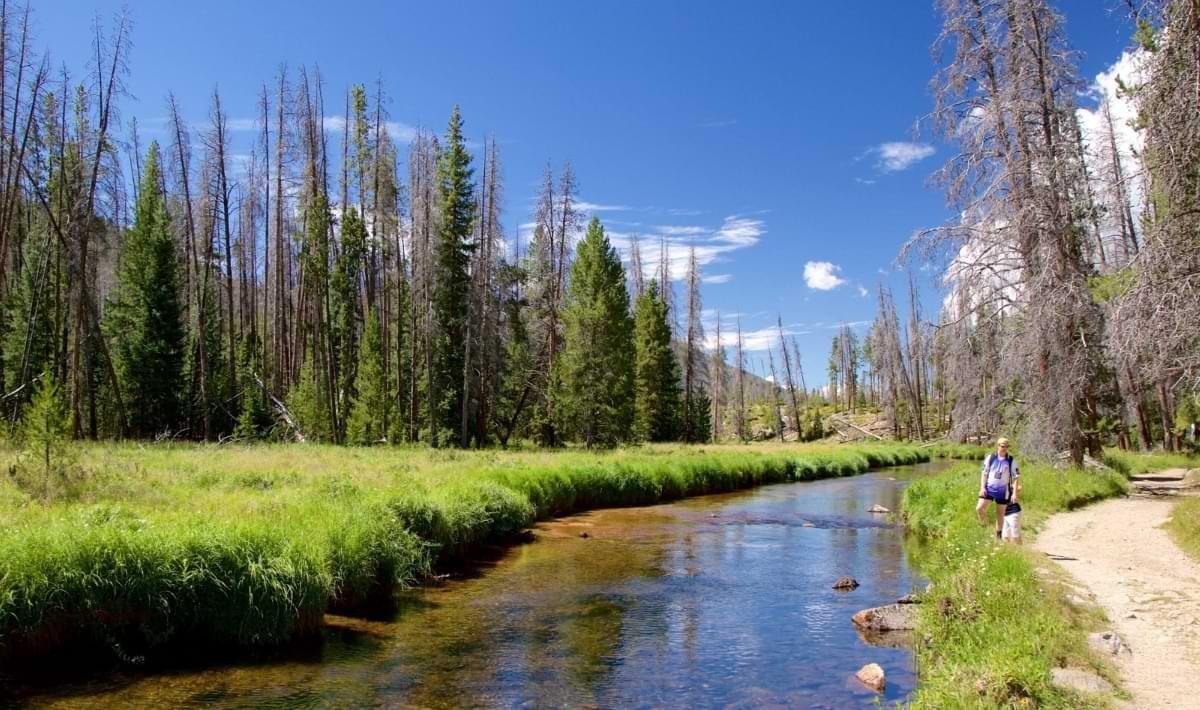
One of the best things about Rocky Mountain National Park is that you don't need to spend several days here to experience its biggest highlights. Thanks to Trail Ridge Road, you can drive across the park while stopping at some of its most spectacular viewpoints, visitor centers, wildlife areas, and short hiking trails.
Here's a good itinerary you can follow for a one-day trip from Winter Park:
Morning: Enter Through Grand Lake
Aim to reach the park very early so you can beat the traffic and the large crowds arriving at the same time. Early in the morning, you'll also have a much better chance of spotting wildlife before the crowds arrive. From late May to mid-October, Rocky Mountain National Park requires timed-entry permits during much of the day, so reserve yours well in advance through Recreation.gov. However, if you arrive before 9 a.m., you can enter without a permit. For the Bear Lake area, you need to arrive before 5 a.m.
Your first stop should be the Kawuneeche Visitor Center. Pick up a map, check trail conditions, watch the short introductory film, and familiarize yourself with the park before heading deeper inside.
From there, take the easy Coyote Valley Trail. This flat, one-mile walk follows the headwaters of the Colorado River through peaceful wetlands and is one of the park's best locations for spotting moose. If you're interested in local history, you can also make a quick stop at the nearby Holzwarth Historic Site, where preserved buildings tell the story of a 1920s guest ranch.
Late Morning: Climb Above the Treeline
Now comes the highlight of the day.
As Trail Ridge Road steadily climbs, you'll pass through dense forests before emerging into the alpine tundra above 11,500 feet. Along the way, make time for some of the road's signature overlooks.
Farview Curve boasts sweeping views across Kawuneeche Valley toward the Never Summer Mountains. A little farther on, Milner Pass marks the Continental Divide, where every drop of rain begins its journey toward either the Atlantic or Pacific Ocean. Nearby Poudre Lake is another worthwhile photo stop, and wildlife is often seen in this area.
Eventually, you'll arrive at the Alpine Visitor Center, the highest visitor center in the National Park System at nearly 11,800 feet. Besides exhibits and restrooms, this is also the only place inside the park where you can purchase food, making it a convenient stop before continuing your drive.
If you're up for a short climb, don't miss the Alpine Ridge Trail. Nicknamed "Huffer's Hill," this brief but steep walk rewards you with panoramic views stretching across the tundra and surrounding mountain ranges.
Afternoon: Explore the Alpine Tundra
Continue toward Rock Cut, where the Tundra Communities Trail offers a gentle walk through one of North America's most fragile ecosystems. Interpretive signs explain how tiny alpine plants survive extreme conditions, and curious marmots, pikas, and even bighorn sheep sometimes appear among the rocks. Keep your eyes peeled!
As you continue east, stop at Forest Canyon Overlook to admire a vast glacier-carved valley, then pull over again at Rainbow Curve for one of the widest panoramas anywhere in the park. On clear days, the views seem to stretch forever.
Lunch Along the Way
There aren't many places to eat once you're inside Rocky Mountain National Park, so it's worth planning ahead.
Many experienced visitors pack a picnic and enjoy lunch at one of the scenic pullouts or picnic areas near Lake Irene, Medicine Bow Curve, or along the Colorado River.
If you'd rather buy something inside the park, the Trail Ridge Store & Café next to the Alpine Visitor Center is your best bet. It serves sandwiches, snacks, coffee, and light meals, although the selection is fairly limited.
Alternatively, you can enjoy breakfast before entering the park in Grand Lake or save dinner for Estes Park, where you'll find a much wider range of restaurants, including local favorites like Penelope's Burgers and Himalayan Curry & Kebab.
Wrap Up the Day in Estes Park
If time allows, spend a little while exploring Estes Park before heading home. The lively downtown is full of cafés, shops, galleries, and mountain-town charm.
From there, simply retrace your route back to Winter Park after taking in one final look at the Rockies.
Although driving Trail Ridge Road without stopping takes only around two hours, setting aside four to six hours inside the park allows enough time for scenic overlooks, wildlife watching, short walks, lunch, and plenty of spontaneous photo stops along one of America's greatest mountain roads.
Practical Info & Tips for Making the Most of Your Visit
1. Master the Logistics and Reservations
Timed-Entry Permits: As I mentioned earlier, from late May through mid-October, you must have a reservation to enter between 9 a.m. and 2 p.m. There are two types: "Park Access" (covers Trail Ridge Road) and "Park Access+" (includes the Bear Lake Road corridor).
The "Early Bird" Hack: You can enter the park without a permit if you arrive before the reservation window begins, typically before 9 a.m. for the general park or before 5 a.m. for the Bear Lake area.
Entrance Fees: Entry is $30 per vehicle for a one-day pass. Note that entrance gates are cashless, so have a credit or debit card ready.
2. Prioritize High-Altitude Safety
Hydration is Critical: The thin air at 12,000 feet causes rapid dehydration. Experts advise drinking "water, water, water" before and during your trip to combat altitude sickness symptoms like headaches and nausea.
Acclimatization: Spend at least 24 hours at a lower elevation (like Winter Park or Grand Lake) before driving to the highest points of Trail Ridge Road to help your body adjust to the 25% lower oxygen levels.
Afternoon Thunderstorms: Violent storms with dangerous lightning frequently hit the tundra in July and August. Plan to be below the treeline by the afternoon; if your hair stands on end while outside, return to your car immediately to ground yourself.
3. Prepare Your Vehicle and Gear
Fuel Up Early: There are no gas stations inside the park. Ensure you have a full tank before leaving Grand Lake or Winter Park to avoid being stranded without cell service.
Dress in Layers: Temperatures at the Alpine Visitor Center are typically 20 to 30 degrees lower than in the gateway towns. Even in summer, bring winter hats, gloves, and a windproof jacket as snow can fall in July.
Digital Prep: Cell service is non-existent above the treeline. Download offline maps or bring a paper map to navigate.
4. Driving Etiquette and Wildlife
Drive Slowly and Use Pull-offs: Trail Ridge Road has no guardrails and steep drop-offs. If you are a slow driver or feel uncomfortable, use the many paved pull-offs to let traffic pass.
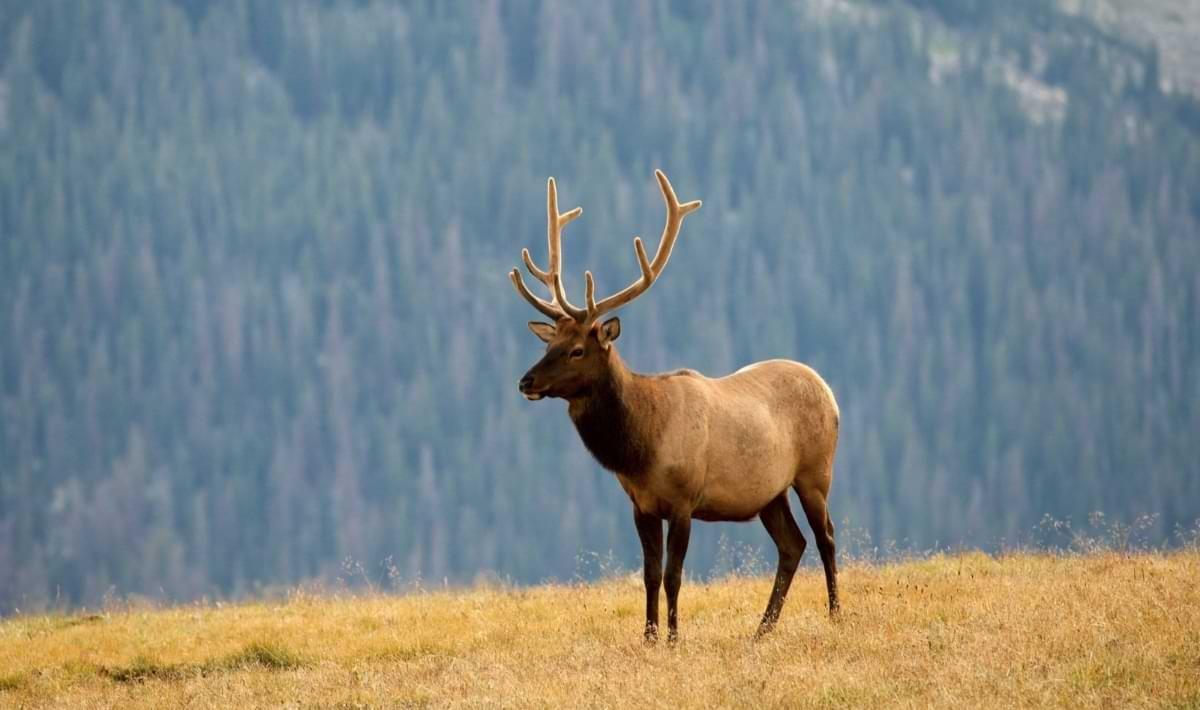
Wildlife Etiquette: It is illegal and dangerous to feed or touch wildlife. Use binoculars to view elk, bighorn sheep, and marmots from a safe distance.
Protect the Tundra: The alpine tundra is extremely fragile; plants can take a century to recover from a single footprint. Always stay on marked, paved paths when exploring the high country.

Time to Plan Your Winter Park Escape
Mountain adventures come in all shapes and sizes, and having the right place to return to makes every day even better. At Winter Park Lodging Company, our collection of more than 100 vacation rentals offers something for every type of traveler, backed by local expertise and friendly guest services every step of the way.
Happy planning, and we'll see you in Winter Park soon!