
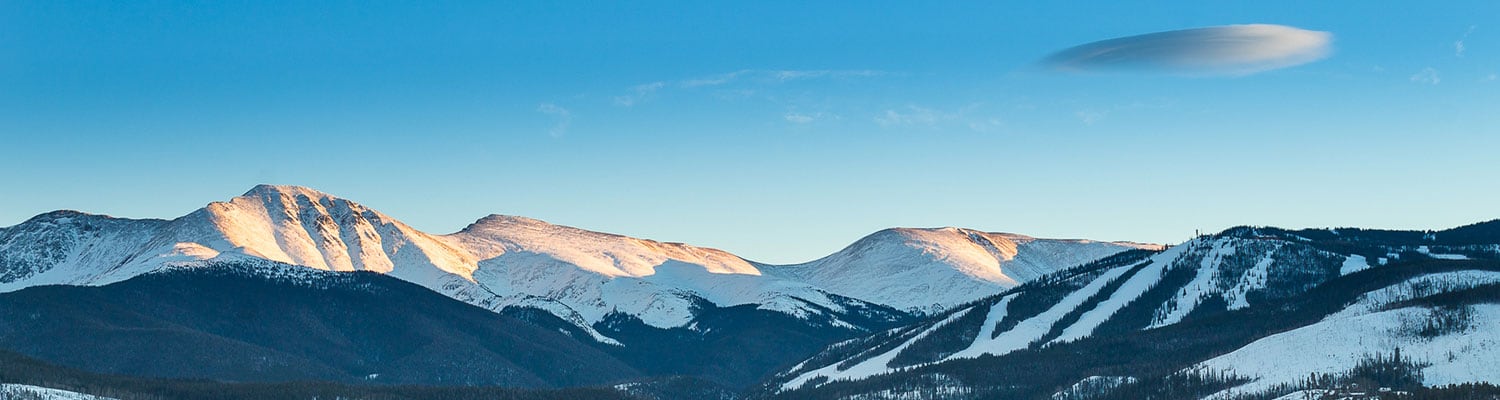
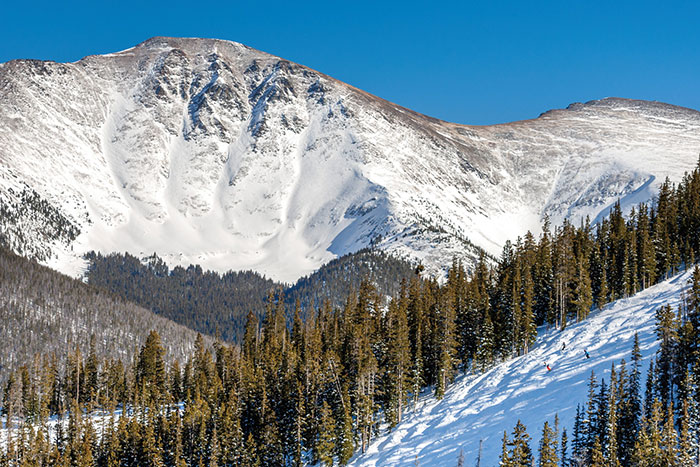
Winter Park sits at roughly 9,000 feet, and the highest lift-served terrain on the mountain tops out above 12,000 feet. If you flew in from sea level this morning, your body has opinions about that.
Nothing derails a ski trip faster than a preventable problem on day one. The rules genuinely are different up here, so here is what locals know, organized so you can skim it before you drive up.
Save These Numbers Before You Arrive
Cell service is spotty in the canyon and on the mountain. Put these in your phone now.
- Emergency: 911
- Middle Park Health, Fraser Campus. 31 Telemark Dr, Winter Park. (970) 724-4700. Open 24 hours with a full emergency department, CT and X-ray. This is where you go for anything serious, day or night. It is a modern facility and it handles a lot of ski injuries.
- Denver Health Winter Park Medical Center. 145 Parsenn Rd, at the resort base. (970) 726-4299. Open daily 9:00am to 5:00pm. Closest option for an on-mountain injury.
- Middle Park Health clinic. 47 Cooper Creek Way, Winter Park. (970) 887-5839. Open daily 8:00am to 5:00pm for non-emergencies.
- Middle Park Health, Granby Campus. 1000 Granby Park Dr S, Granby. (970) 887-5800. Open 24 hours.
- Safeway Pharmacy. 40 County Road 804, Fraser. (970) 726-6920.
- Road conditions: dial 511 or check COtrip.org
- On-mountain injury: alert the nearest lift operator or ski patrol
Adjusting to Altitude
As you climb, the air thins and less oxygen is available with each breath. Most people feel it as shortness of breath, a headache, nausea, poor sleep, or fatigue that seems out of proportion to what they have actually done. It is common, it is usually mild, and it is largely preventable.
What Actually Helps
- Drink far more water than feels necessary. Winter air up here is extremely dry, and you lose moisture just breathing. This is the single most effective thing you can do.
- Take day one easy. Ski a half day. Arrive, unpack, walk around town, eat a real meal. A gentle first day buys you a much better week.
- Go easy on the alcohol, especially the first night. Drinks hit noticeably harder at 9,000 feet, and a hangover at altitude is a genuinely different animal. Apres will still be there tomorrow.
- Moderate caffeine and eat high-carbohydrate, lower-fat meals.
- Reduce salt intake.
- Consider sleeping lower if you can. Fraser and the surrounding valley sit lower than the resort base, which some people find makes a real difference to how they sleep.
- Talk to your own doctor before you travel if you have heart or lung conditions, are pregnant, or have had altitude trouble before. There are prescription options, and your physician is the right person to advise on them.
When to Stop Toughing It Out and Get Seen
Mild symptoms that improve with rest and water are normal. These are not. Get medical attention promptly if anyone in your group develops:
- A headache that keeps getting worse rather than better
- A wet or productive cough, or gurgling breathing
- Breathlessness while at rest, not just while active
- Confusion, unusual clumsiness, difficulty walking a straight line, or unusual drowsiness
- Vomiting that will not stop
The correct response to any of these is to descend and seek care, not to wait and see. Middle Park Health's Fraser campus is open 24 hours at (970) 724-4700. Altitude illness is very treatable when caught early and genuinely dangerous when ignored.
Cold, Wind and Frostbite
Winter Park is cold, and neighboring Fraser has long carried the nickname "Icebox of the Nation" for good reason. Wind on an exposed lift can drop the effective temperature far below what the thermometer says.
Layer properly, in this order:
- Base layer: moisture-wicking synthetic or merino wool, never cotton. Cotton gets wet, stays wet, and wet is how you get cold.
- Mid layer: fleece or down for insulation.
- Outer layer: waterproof and windproof shell.
Add a helmet, goggles, a neck gaiter, waterproof gloves or mittens, and one pair of quality ski socks. One pair. Doubling up cuts circulation and makes your boots hurt, which is the most common rookie mistake here.
Watch for frostbite on the exposed edges: fingertips, toes, ears, nose and cheeks. Early signs are numbness and skin that looks white, grey or waxy. Get inside, rewarm gradually, and do not rub the area. If numbness or discoloration persists, get it looked at.
Watch for hypothermia too: uncontrollable shivering, slurred speech, confusion, exhaustion. Get the person warm and dry and call for help. This can happen on a sunny day if someone is wet and windblown.
New this season: lifts open at 8:00am on Saturdays and Sundays from December 5, 2026 through April 4, 2027. An extra hour is great, but 8:00am is the coldest part of the ski day, so dress for it rather than for how it feels at noon.
Sun Exposure at Altitude
Take the sun seriously in every season. UV intensity climbs with elevation, and in winter fresh snow reflects a large share of it straight back at you. People routinely get burned in February at Winter Park and never see it coming.
- Sunscreen every single day, cloudy or clear. Do not skip the underside of your chin and nose, which catch reflected light.
- Reapply. Once in the morning is not enough for a full day outside.
- Goggles or sunglasses always. Snow blindness is a real sunburn of the cornea, it is painful, and it typically shows up hours after the exposure.
- Lip balm with SPF. Cracked lips at altitude are miserable and take days to heal.
- In summer, add a hat that shades your face, ears and neck, plus sun-protective clothing.
More on protection from the CDC.
Getting Here Safely in Winter
The drive over Berthoud Pass on US 40 is beautiful and it is a serious mountain road.
- Colorado enforces a traction law during winter storms. In practical terms you want all-wheel drive with proper snow-rated tires, or chains. Reserve the AWD vehicle specifically rather than hoping for an upgrade at the rental counter.
- Check conditions before you leave. Dial 511 or use COtrip.org. Passes close, and it is much better to know at your hotel than at a roadblock.
- Download offline directions to your rental. Cell coverage drops out in the canyon and you do not want to be improvising.
- Avoid arriving after dark on your first mountain drive if you can help it.
- Watch for wildlife. Elk, deer and moose cross US 40 regularly, especially at dawn and dusk. Slow down and scan the shoulders.
- Or skip the drive entirely. The Amtrak Winter Park Express drops you at the base of the lifts, and the free town shuttle covers the rest. See our transportation options.
On-Mountain Safety
Know the Responsibility Code
Wear a helmet, no exceptions, and read Your Responsibility Code. Heads up if you learned this years ago: it was expanded from seven points to ten, adding guidance on not skiing under the influence and what to do after a collision. The first point still governs everything else: stay in control and be able to stop or avoid people and objects.
See also Winter Park Resort's safety and conduct information.
Tree Wells and Deep Snow
This one deserves more attention than it gets, and it matters especially at Winter Park because Mary Jane's tree skiing is the reason many people come here.
A tree well is the void of loose, unconsolidated snow around the base of a conifer. Fall into one head first and it is very difficult to self-rescue, because struggling pulls more snow down on top of you. Deep snow immersion is a leading cause of ski-area fatalities, and it happens in bounds, on a powder day, to strong skiers.
- Never ski or ride trees alone. Ever.
- Keep your partner in sight at all times, not just "somewhere on the run." Stop and confirm you can see each other.
- If your partner disappears, go to them immediately rather than going for help. Minutes matter.
- Give tree trunks a wide berth in deep snow.
Backcountry and Uphill Travel
Terrain outside the resort boundary is not avalanche mitigated, and Berthoud Pass and the surrounding backcountry see real avalanche activity every winter. Beyond the ropes you need training, a beacon, shovel and probe, a partner who has all three, and a current forecast.
Check the Colorado Avalanche Information Center forecast before any backcountry day. If you want to earn your turns inside the resort, read Winter Park's uphill access policy first, because the rules and permitted routes change with operations.
Skiing With Your Group
Agree on a meeting spot and a rough schedule before you split up, since you cannot rely on texts going through. Match the terrain to the weakest skier in the group, not the strongest. And if someone is exhausted, that is the moment to call it, not one run later.
At the Rental: Two Things People Overlook
Hot tubs and altitude. A hot soak plus alcohol plus dehydration plus 9,000 feet is a genuinely risky combination, and it produces a steady stream of dizziness and fainting incidents every season. Hydrate with water before you get in, keep sessions short, skip it entirely if you have been drinking heavily, and never soak alone late at night. Kids should be supervised and kept to short sessions.
Fireplaces and carbon monoxide. Follow the instructions in your house manual for any wood or gas fireplace, keep flues and vents clear, and never use outdoor equipment like a grill or generator indoors or in a garage. If a carbon monoxide alarm sounds, get everyone outside and call for help. If anything in your rental seems off, call us and we will send someone.
Summer and Shoulder Season: Storms and Lightning
The high country is a different hazard set once the snow melts. Colorado consistently ranks among the leading states for lightning fatalities, and the great majority of strikes occur on summer afternoons.
- Start early. Thunderstorms build in the afternoon, so plan hikes and rides for the morning and midday and be heading down by early afternoon.
- Check the forecast and know where shelter is before you set out. If you cannot finish before the weather, reschedule.
- Do not wait for rain to react. Lightning can arrive without a drop falling. Head for shelter when you hear thunder.
- Avoid open areas, ridgelines and summits, and do not shelter under the tallest object around.
- In a group, spread out and move to shelter or your vehicle.
Mountain weather also flips fast in summer. A 70-degree morning can turn into wind, rain and near-freezing conditions above treeline within an hour. Always carry a rain shell and an extra warm layer, even on a bluebird day.
More from the National Weather Service lightning safety page.
Your High Country Checklist
- Save the medical and road-condition numbers above in your phone.
- Download offline maps and directions to your rental.
- Book AWD with snow tires, or plan to take the train and the shuttle.
- Pack layers, one pair of good socks, goggles, sunscreen and SPF lip balm.
- Plan a light first day and drink water relentlessly.
- Agree on a group meeting point and never ski trees alone.
- Talk to your own doctor before travel if you have relevant health conditions.
Where to Stay
Our Winter Park vacation rentals come with a local team on the ground, which matters more than people expect when something goes sideways. Every home has a full kitchen so you can eat well and hydrate properly, and our office sits on Telemark Drive, essentially next door to the 24-hour Fraser medical campus.
Choose ski-in ski-out if you want the shortest possible walk home on a tired first day, or Fraser and the surrounding area if sleeping a little lower helps you acclimate. Browse private homes, condos, or properties with a private hot tub.
Read our Winter Park tips, check the live cameras before you drive up, and see current lodging deals.
Questions? Call our local team at 970-722-0707. We live at 9,000 feet year-round and we are happy to talk you through any of this.
This article is general travel information and is not medical advice. Consult a qualified healthcare provider about your own circumstances, particularly if you have existing health conditions, are pregnant, or are travelling with young children or older adults. Facility hours and contact details were verified as of publication and are subject to change. In an emergency, call 911.