


Think your Winter Park vacation rental is doing just fine? These common mistakes could be costing you bookings, better reviews, and more revenue.
Common Vacation Rental Mistakes and How to Avoid Them in Winter Park
When owning a vacation rental in Winter Park, it's surprisingly easy to make mistakes you don't even realize you're making. That's because short-term rentals aren't simply another type of real estate; they're an active hospitality business. Many owners unknowingly rely on intuition, try to do everything themselves, or underestimate just how much work goes into consistently delivering five-star stays.
The result? Lower occupancy, weaker reviews, unnecessary stress, and money left on the table. If any of that sounds familiar, here are ten common mistakes worth addressing before they start costing your business.
The result? Lower occupancy, weaker reviews, unnecessary stress, and money left on the table. If any of that sounds familiar, here are ten common mistakes worth addressing before they start costing your business.
Before We Jump In, a Little About Us
At Winter Park Lodging Company, we've been helping vacation rental owners succeed in Winter Park for more than 15 years. We pair local expertise with sophisticated revenue management, innovative marketing, attentive property care, and concierge-level guest service to help homeowners maximize both their investment and their peace of mind.
In our blog, we share practical insights to help vacation rental owners increase revenue, protect their properties, and deliver exceptional guest experiences.
1. Treating Your Vacation Rental Like Passive Income
A big misconception among vacation rental owners is believing the property will generate income with very little involvement. Unlike a long-term rental, a short-term rental demands constant attention. Guests expect prompt communication, homes need regular maintenance, pricing changes throughout the year, and every stay creates a new opportunity to earn a glowing review — or a disappointing one. Treating a vacation rental as a side project leads to neglected operations, lower revenue, and declining guest satisfaction.
Instead, treat it like the hospitality business it is.
Consider partnering with professionals who allow your rental to operate like a business. Professional managers handle the constant stream of guest communication while bringing expertise in pricing, marketing, and vendor management that many individual owners simply don't have the time to develop. While management comes with a fee, strong operators can increase revenue enough to more than offset that cost.
2. Trying to Save Money on Photography
Considering today’s smartphones take impressive pictures, professional photography can seem like an expense to skip. However, listing photos are one of the biggest factors influencing whether a guest even clicks on your property. Smartphone images frequently appear darker, more distorted, and less inviting than professional ones. When your listing is competing against dozens of other Winter Park homes, those first impressions matter enormously.
Instead, invest in photography that earns its keep.
A photographer who specializes in short-term rentals understands that they're not simply documenting rooms; they're telling the story of a vacation. Look for someone who arrives equipped with a tripod, wide-angle lenses, and editing skills. The numbers don’t lie. Professional photography increases listing views by 61%, boosts bookings by 24%, and can justify nightly rates up to 50% higher. It's one of the clearest ways to signal that your property is professionally managed at first glance.
-2538193C-74BC-45DF-BB56FA5E481AD93B.jpg)
3. Overpromising Your Property
Every owner wants their home to look its best. The problem begins when marketing crosses the line into misrepresentation. Outdated photos, carefully chosen camera angles, or descriptions that gloss over obvious limitations may help secure a booking, but they also leave guests disappointed. That disappointment frequently shows up in reviews, damaging both your reputation and future bookings.
Instead, set honest expectations from the start.
Accuracy consistently outperforms perfection. Keep your listing photos up to date and represent your home as it actually looks today. If there's a nearby neighbor, a limited mountain view, or another feature guests should know about, mention it before they arrive. Guests are remarkably forgiving of imperfections when they know about them in advance.
4. Selling Rooms Instead of Selling the Experience
Many vacation rental listings show bedrooms, bathrooms, kitchens, and living rooms from every corner, but they never explain why someone would want to stay there. Remember: guests are shopping for experiences. They're imagining mornings with coffee before hitting the slopes, evenings around the fireplace, slow breakfasts with family, and weekends that feel completely different from everyday life.
Instead, sell the stay — not just the space.
Shift your photography and presentation toward storytelling. Rather than simply documenting empty rooms, create scenes that help guests imagine themselves enjoying the property. Thoughtfully composed shots communicate far more emotion than another wide-angle photo of a living room.
5. Lowering Prices Just to Fill the Calendar
When reservations slow down, reducing your nightly rate can seem like the fastest solution. While lowering prices may increase bookings in the short term, it can also create a damaging cycle that's difficult to escape. Instead of creating a healthier business, constantly chasing occupancy through lower prices can increase workload while reducing profitability.
Instead, compete on value, not price.
Dynamic pricing software adjusts rates based on market demand, seasonality, and local events, helping you remain competitive without undervaluing your home. The best dynamic pricing tools include PriceLabs, Wheelhouse, and Beyond Pricing, which adjust rates in real time based on market demand and competition. Professional managers act as the expert behind the wheel, using these tools to meticulously track trends and refine pricing strategies beyond what basic algorithms can achieve alone.

6. Responding Too Slowly
Few things matter more to today's guests than quick communication. Travelers have come to expect almost immediate responses. In fact, replying within five minutes has become the professional standard. Every delay creates an opportunity for a guest to book another property instead, particularly when inquiries arrive outside normal business hours. Slow communication doesn't just cost bookings; it also sets the tone for the entire stay, making guests question how responsive you'll be.
Instead, make fast communication your standard.
If you can't realistically monitor messages around the clock, you can at least build systems that can. Professional managers often provide 24/7 guest support, ensuring no inquiry goes unanswered while you're asleep or away. Automation can also make a significant difference. Message templates and automated responses allow guests to receive immediate answers to common questions, while comprehensive digital guidebooks reduce the number of inquiries altogether. Fast communication isn't simply good customer service; it's one of the easiest ways to secure better reviews.
7. Overlooking the Little Details During Cleaning
Most guests can forgive a small scratch on a table or furniture that's beginning to show its age. What they won't overlook is a property that doesn't feel impeccably clean. Surprisingly, one of the biggest culprits behind negative reviews isn't dirt at all; it's stray hairs. These tiny details are consistently among the biggest guest complaints because they immediately undermine confidence in the overall cleanliness of the home.
Instead, build a cleaning system that catches every detail.
Specialized vacation rental cleaners understand the level of detail guests expect and know where problems typically hide, from microwave interiors to shower drains. Visual checklists help ensure consistency, while simple tools like sticky rollers make it much easier to remove stray hairs from linens, upholstery, and rugs. Adding an independent inspection before guest arrival provides another layer of quality control. Professional property managers coordinate every step of this process, from scheduling trusted cleaners to conducting final inspections.
8. Managing Everything Manually
Many owners begin by managing calendars, guest messages, pricing, cleaning schedules, and door codes themselves. That approach may work initially, but as bookings increase, manual processes quickly become one of the biggest drains on both time and energy. They also introduce unnecessary risks, including double bookings, missed messages, and simple human error.
Instead, let technology handle the repetitive work.
A modern vacation rental operation relies on systems that work together.
- Channel management software keeps calendars synchronized across booking platforms.
- Dynamic pricing tools automatically adjust rates according to market conditions.
- Automated messaging delivers booking confirmations, check-in instructions, and review requests. Digital guidebooks answer recurring guest questions before they're even asked.
- Smart locks simplify arrivals and security.
- Task management platforms also make it easier to coordinate cleaners and maintenance.
9. Waiting Until Something Breaks
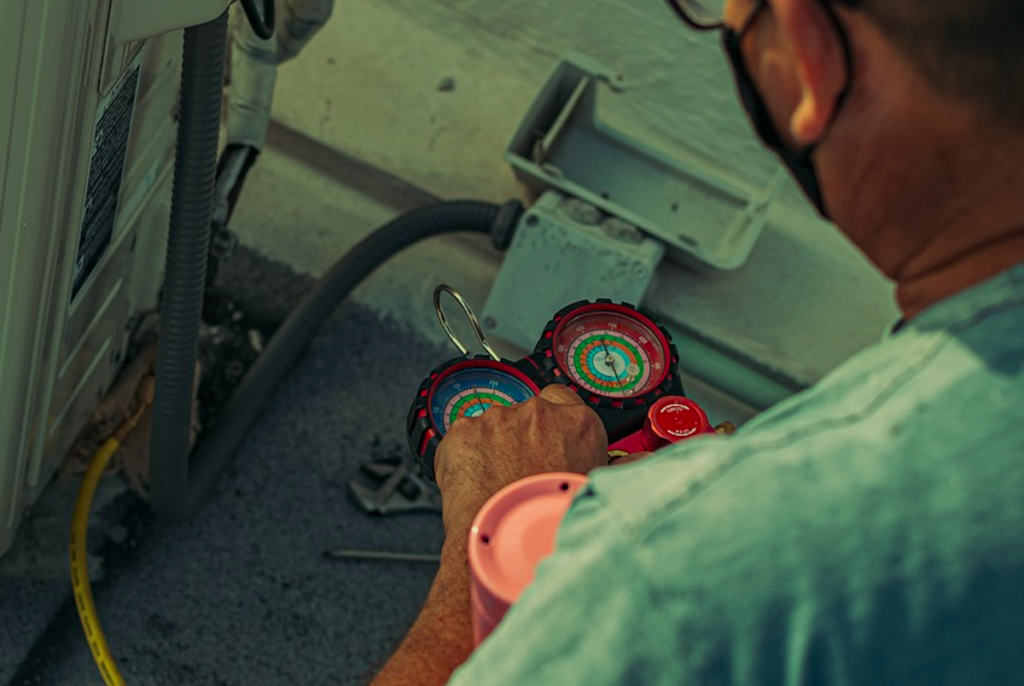
Preventive maintenance rarely feels urgent, which is exactly why it's so often postponed. Unfortunately, HVAC systems, plumbing, roofs, smoke detectors, and other essential components don't usually fail at convenient times. Delaying routine maintenance often leads to larger repairs, unexpected expenses, and emergency situations that interrupt guest stays and generate avoidable stress.
Instead, fix small problems before they become expensive ones.
Develop a proactive maintenance routine by scheduling regular professional inspections for major systems, performing annual safety checks on smoke detectors and fire extinguishers, and automating recurring maintenance tasks such as changing filters or replacing batteries. Setting aside a dedicated maintenance budget, around 5% of gross income, helps remove the financial pressure when repairs inevitably arise. Working with experienced vendors also ensures problems are resolved quickly and correctly.
10. Taking Guest Feedback Personally
No owner enjoys receiving criticism. A negative review, a complaint about cleanliness, or even minor property damage can feel deeply personal after investing so much time and money into a home. However, reacting emotionally often makes situations worse, sometimes escalating into unnecessary conflict and damaging your reputation even further.
Instead, think like a business owner, not a frustrated host.
View every piece of feedback through a professional lens. Minor damage, occasional complaints, and constructive criticism are part of running a short-term rental, not personal attacks. Staying calm, practicing empathy, and responding with accountability helps resolve issues before they escalate into retaliatory reviews. More importantly, every complaint offers an opportunity to improve. Owners who focus on long-term reputation rather than short-term frustration will undoubtedly enjoy more sustainable success.

Ready to Maximize Your Winter Park Vacation Rental?
Winter Park Lodging Company is here to help. From strategic revenue management and creative marketing to responsive property care and dedicated owner support seven days a week, our team is committed to helping your rental perform at its best.
Contact us today to learn more about our full-service vacation rental management program and see how local expertise and personalized service can help your Winter Park vacation rental reach its full potential.