
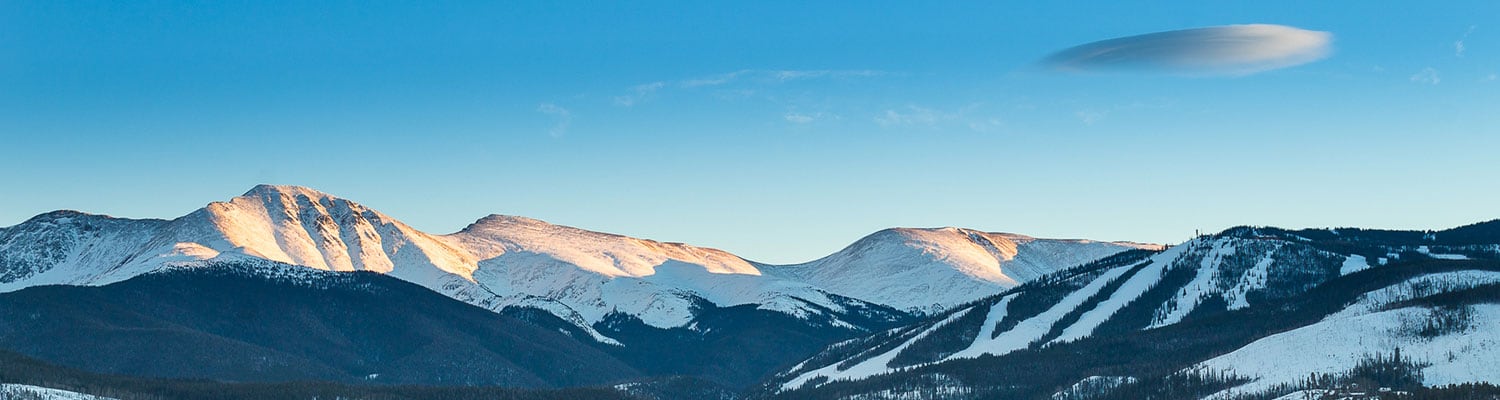
Winter Park vacation rental photography should do more than show the rooms. Learn how smart lighting, stronger angles, thoughtful staging, gallery order, and scroll-stopping hero images can showcase your property, attract more clicks, and turn browsers into bookings.
Winter Park Vacation Rental Photography
You could have the coziest cabin in Winter Park, but bad photos won’t do it any favors. Guests scroll fast, and your listing only has a few seconds to convince them to stop and take a closer look.
Before travelers get anywhere near your amenity list, your photos are already doing the talking, and good ones could have a serious impact on revenue. Strong photography reportedly lifts listing views by 61% and bookings by 24%, with premium images supporting nightly rates 36% to 50% higher.
You’ve already invested in the property, decor, and amenities. The natural next step is to show it all in the best possible light.
In this blog post, we’ll share some expert tips on how to produce the best photography for your Winter Park rental and attract the bookings it deserves.
Before We Jump In, a Little About Us
At Winter Park Lodging Company, we've been helping vacation rental owners succeed in Winter Park for more than 15 years. We pair local expertise with sophisticated revenue management, innovative marketing, attentive property care, and concierge-level guest service to help homeowners maximize both their investment and their peace of mind.
In our blog, we share practical insights to help vacation rental owners increase revenue, protect their properties, and deliver exceptional guest experiences.
Get the Lighting Right
Harsh white lighting and cozy mountain cabins aren’t exactly a winning combination.
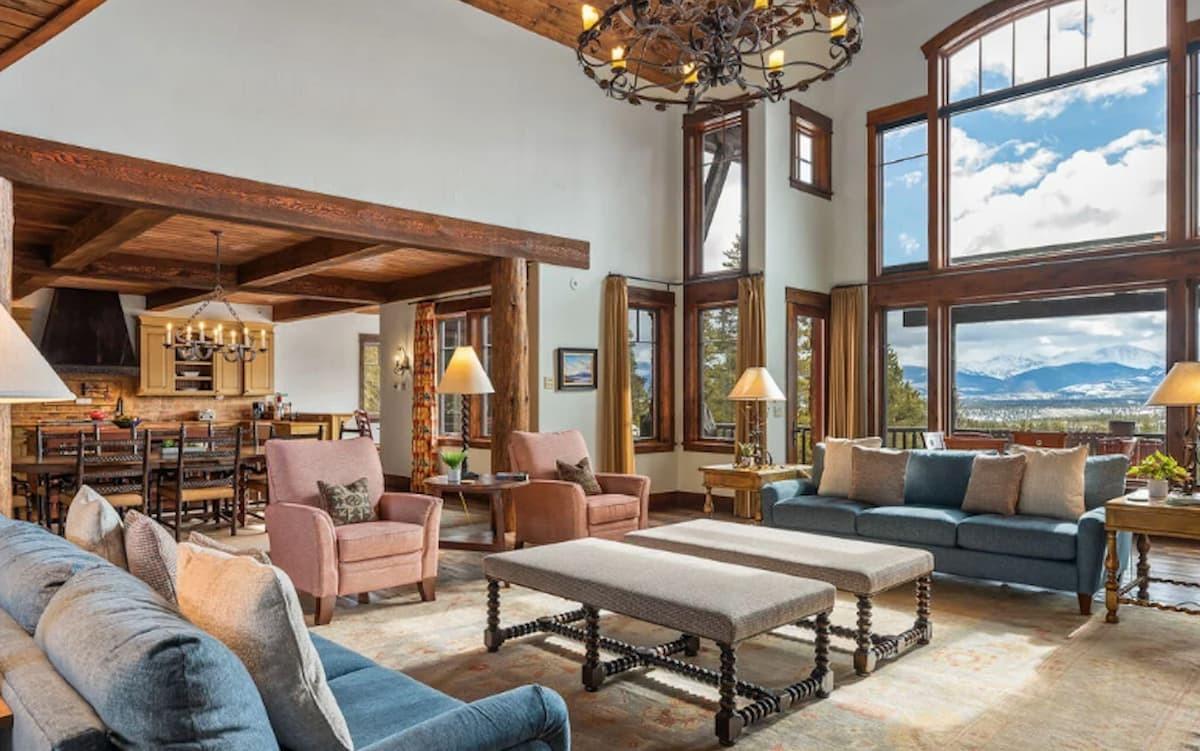
Before the shoot, check every bulb in the property. Cold “daylight” LEDs and fluorescent bulbs often flatten wood tones and leave rooms looking more clinical than cozy. Soft white LEDs or halogen bulbs produce a warmer light that suits timber, stone, leather, and other materials common in Winter Park interiors.
And turn the lights on. All of them. Table lamps, floor lamps, sconces, kitchen lights, bathroom lights, and overhead fixtures all help balance a bright Colorado day outside with a darker cabin interior.
Just make sure they’re speaking the same language. One icy-white bulb surrounded by warm lighting sticks out immediately in photos, and not in a good way.
Master the Golden Hour
Now, let’s talk about the best light of all: natural light. But you need to know when to use it. That brilliant midday sunshine looks great on the mountain, but it’s not always so friendly to your camera.
Early morning and late afternoon generally offer softer natural light and are ideal times to photograph your Winter Park rental. Timber walls, stonework, decks, and mountain scenery all benefit from the lower sun, which adds depth without the harsh contrast of midday.
Plan around the orientation of the property, too. An east-facing breakfast nook gets its moment in the morning, but save that west-facing deck for later in the day when the afternoon sun shows up.
Open curtains and blinds, but, as mentioned earlier, keep the interior lighting working alongside the natural light. You want the view outside and the room inside to coexist rather than forcing the camera to choose between them.
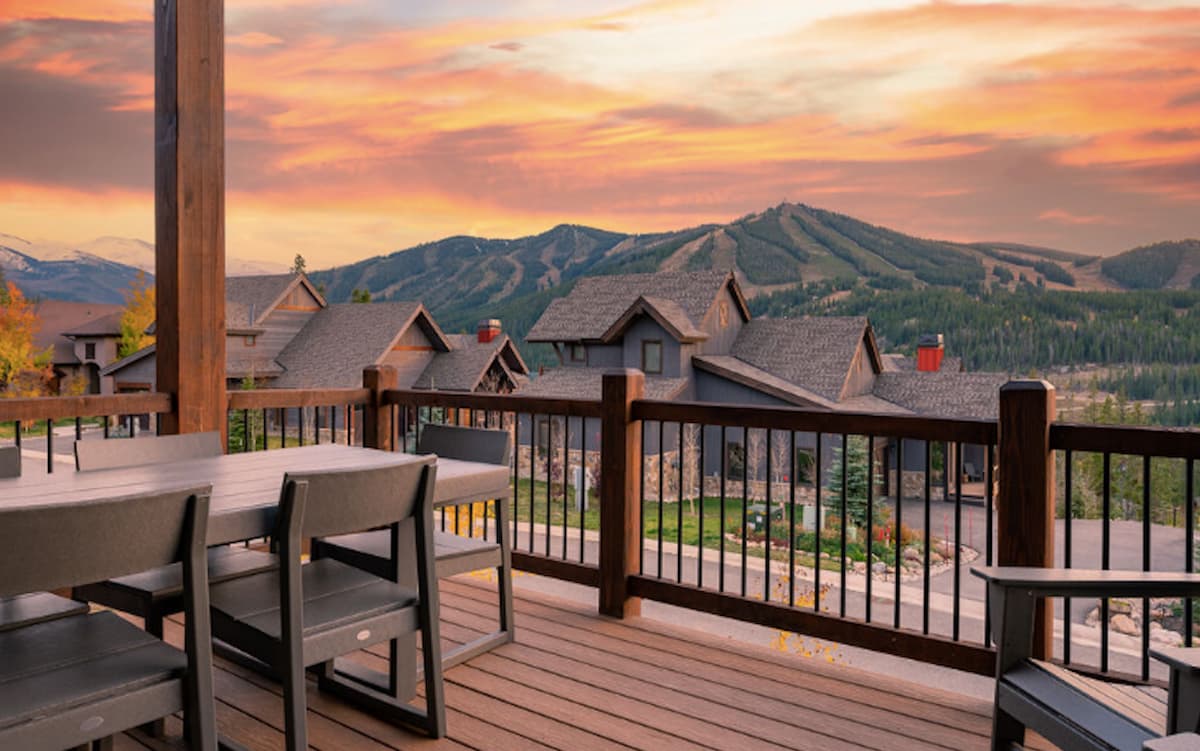
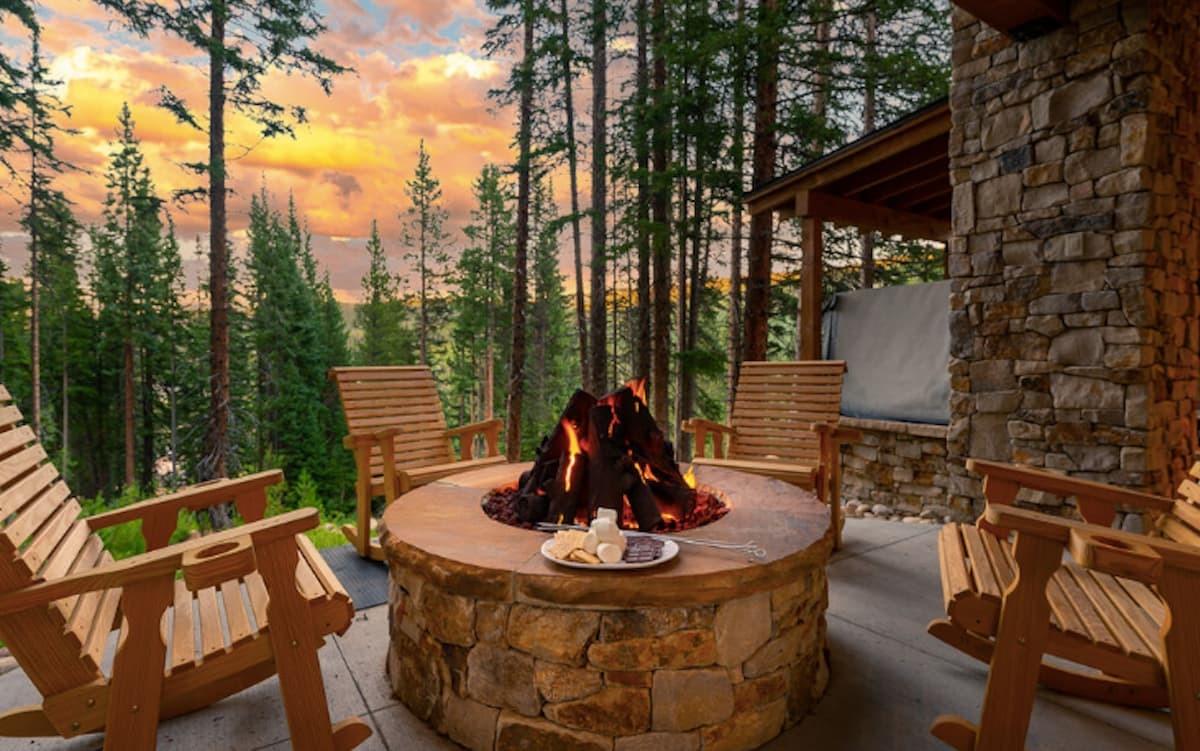
Extra tip: Don’t pack up the second the sun drops. Dusk produces some of the strongest mountain-rental imagery, with interior lights glowing through windows, a lit fireplace, steam rising from the hot tub, and a fire pit against the evening sky.
Stop Photographing Everything Straight On
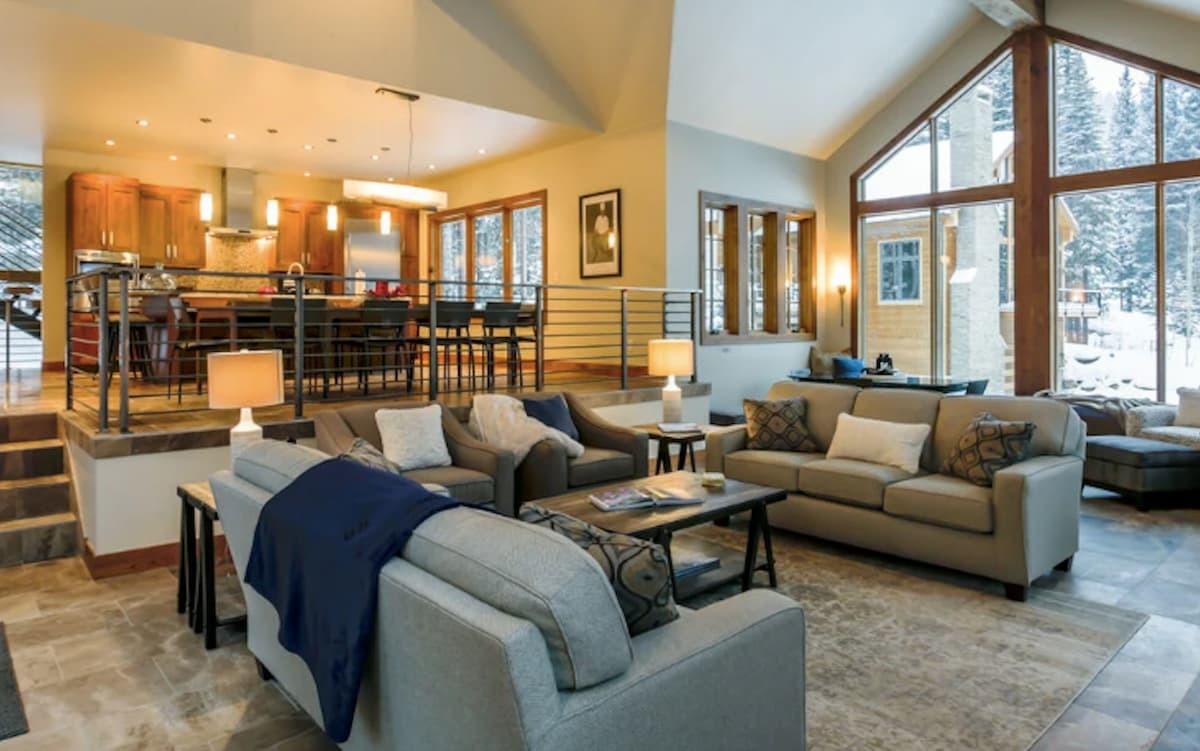
Your cabin deserves better than a series of passport photos. Straight-on shots flatten a room and hide its depth, so experiment with diagonal angles instead. Shooting from a corner captures more of the space and helps establish how furniture, architectural features, and different areas relate to one another.
Include some of the floor, too. It creates a stronger sense of depth and helps travelers understand the room’s proportions.
Take the same approach outdoors. Instead of pointing the camera directly at a deck, seating area, or mountain view, look for an angle that captures several elements together. A wider shot that captures the deck, seating, surrounding trees, and scenery helps guests picture how they’d actually use the space.
Finally, don’t rely on one perspective for every shot. Mix wider diagonal compositions with tighter details and a few straight-on images when symmetry works in your favor.
Put Your Deck and Fire Pit to Work
If you’ve invested thousands in an outdoor area, don’t photograph it looking abandoned. Light the fire pit, arrange the chairs properly, and turn on the string lights. You can also include a couple of mugs or glasses and perhaps a blanket over a chair to add a little atmosphere.
Props require restraint, though. A few relevant details help travelers picture the experience, but too many start to distract from the property itself. Choose items that make sense for the setting and suggest how guests might use the space, rather than decorating purely for the camera. Go too far with the props and your deck starts looking more craft store than mountain retreat.
-C1788216-D2CA-4298-ADF13C8F392369F4.jpg)
Create a Photo Gallery Guests Can Follow
Most owners don’t know that their listing photo gallery should follow an order that helps guests understand the property as they move through it. If you organize it like a shuffled deck of cards, guests may get confused.
Lead with your strongest images before taking guests on a logical tour through the living areas, kitchen, bedrooms, bathrooms, outdoor spaces, and amenities. No teleporting from the kitchen to the hot tub and back to bedroom number two.
Wider transitional photos help connect the dots. If the same armchair, artwork, staircase, or architectural feature appears across different shots, guests start to understand how one room leads into another.
Extra tip: Mix wide shots with close-ups so guests get both the big picture and the details. Capture the full room first, then move in on the features worth noticing.
Win the Click With Your Hero Image
Your cover photo has one job above all else: stop the scroll. Don’t automatically reach for the widest exterior shot just because it fits the whole cabin in frame. Pick the image that makes someone want to see what comes next and answers one simple question: “Why this cabin?”
Just remember that your hero shot needs to look good on more than your laptop. Booking platforms crop images differently across desktop and mobile, so test how the composition holds up at different sizes. You don’t want your spectacular mountain view disappearing somewhere beyond the edge of an iPhone screen.
Here’s another important detail: give the next four or five photos the same attention. They should show off the cabin’s strongest assets. A great order could be the hero shot, best bedroom, gourmet kitchen, standout amenity, outdoor space, or whatever gives your property an edge. After that, it’s time to arrange the rest of the photos in that logical order we mentioned above.
Turn Property Photos Into Vacation Photos
There’s a big difference between showing the property and selling the stay. Travelers already know what a bed looks like. Your job is to show why guests would want to wake up in this particular bedroom.
A few well-placed details go a long way: crisp bedding, warm lamps, fluffy towels, a coffee station, or two chairs strategically claiming the best view in the house.
Don’t forget the star of the show: Winter Park itself. Capture those mountain views, photograph the cabin under fresh snow, and show off the deck at its summer best. Give each season its turn in front of the camera. Winter snow is gorgeous, but so is that deck on a sunny July afternoon.
Above all, stay honest. The goal is the best version of reality, not a version created exclusively for the photoshoot.
Hire a Photographer Who Understands Vacation Rentals
With photos playing such a valuable role in how vacation rentals perform online, professional photography is a smart investment. That said, choose a photographer who understands vacation rentals and what owners need from the shoot.
There’s an important difference between selling a house and selling four nights in one. Traditional real estate photography focuses heavily on dimensions and layout. Vacation rental photography has a different job, since you’re selling the experience of being there.
A vacation rental photographer approaches the shoot with the guest in mind. They know which amenities deserve extra attention, how to capture rooms so the layout stays clear, which details help sell the stay, and how to produce a varied gallery rather than twenty versions of the same wide-angle shot.

Ready to Maximize Your Winter Park Vacation Rental?
Winter Park Lodging Company is here to help. From strategic revenue management and creative marketing to responsive property care and dedicated owner support seven days a week, our team is committed to helping your rental perform at its best.
Contact us today to learn more about our full-service vacation rental management program and see how local expertise and personalized service can help your Winter Park vacation rental reach its full potential.